


Key Takeaways
- Mixed dementia involves having multiple types of dementia simultaneously, most commonly Alzheimer’s disease combined with vascular dementia
- Symptoms can overlap and change unpredictably, making daily care more challenging than single-type dementia
- Professional diagnosis through comprehensive testing helps create better care plans for your loved one’s specific combination of conditions
- Specialized memory care communities can provide tailored support for the complex needs of mixed dementia
Watching a loved one experience cognitive changes can be overwhelming, especially when their symptoms don’t follow a single, familiar pattern. You may notice memory loss similar to Alzheimer’s disease alongside changes in movement, behaviour, or personality that seem sudden or unexpected. Understanding what’s happening is often the first step toward finding the right support.
Mixed dementia occurs when a person has two or more types of dementia at the same time, leading to a combination of symptoms that can be more complex than those of a single condition. Because each individual’s experience is different, care often requires a thoughtful, personalized approach. With the right guidance and memory care support, families can better navigate these challenges while helping their loved one maintain comfort, dignity, and quality of life.
What Does Mixed Dementia Means for Your Loved One
Mixed dementia means your loved one has 2 or more different types of dementia occurring together in their brain. This isn’t simply having severe symptoms—it’s actually having multiple distinct conditions that each affect thinking and daily function in different ways.
The most common combination involves Alzheimer’s disease alongside vascular dementia. Your loved one might experience the memory loss typical of Alzheimer’s while also dealing with the movement difficulties and thinking problems that come from reduced blood flow to the brain. This creates a more complex picture than either condition would cause alone.
Mixed dementia differs from single-type conditions because the symptoms can be unpredictable. You might see your loved one have good days and difficult days in patterns that don’t match what you’d expect from just one type of dementia. Understanding these differences becomes more complex because different approaches may be needed to address each component condition.
What Are The Signs and Symptoms of Mixed Dementia?
Memory loss that affects daily activities goes beyond normal forgetfulness. Your loved one might forget important dates, ask for the same information repeatedly, or increasingly rely on memory aids for things they used to remember easily.
Difficulty with familiar tasks becomes noticeable when your loved one struggles with activities they’ve done for years. They might have trouble dressing themselves, following a recipe they know well, or using familiar household items correctly.
Changes in mood, personality, or behavior can be subtle at first but become more pronounced over time. You might notice your loved one becoming more withdrawn, anxious, or suspicious, or showing emotions that seem inappropriate for the situation. Communication challenges often develop gradually, starting with finding the right words and potentially progressing to difficulty following conversations or understanding spoken language.
When Symptoms Overlap
Mixed dementia symptoms can be confusing because they don’t follow the typical progression of a single condition. Your loved one might have memory problems one day and movement difficulties the next, making it hard to predict their needs.
Multiple conditions create unique challenges because different symptoms may require different approaches. What helps with memory issues might not address behavioral changes, and strategies for one type of dementia might not work for another component.
Tracking changes in your loved one’s abilities helps you and their healthcare team understand how the condition is progressing. Keep notes about when symptoms are worse, what triggers difficult behaviors, and which strategies seem to help. Understanding these patterns can guide better care decisions.
What Dementia Daily Care Strategies Make a Difference?

Creating a safe and structured home environment reduces confusion and prevents accidents. Remove tripping hazards, install good lighting, and use labels or pictures to help your loved one navigate familiar spaces more easily. Creating safe spaces becomes even more important with mixed dementia.
Communication techniques that reduce frustration include speaking slowly and clearly, using simple sentences, and giving your loved one time to process what you’ve said. Avoid arguing about things that don’t matter and focus on their feelings rather than correcting facts.
Meaningful activities that engage different abilities can help your loved one feel purposeful and connected. Choose activities based on their current capabilities rather than what they used to do, and be flexible if their interests or abilities change. Managing challenging behaviors with patience often means looking for triggers and unmet needs. Your loved one might be acting out because they’re uncomfortable, confused, or trying to communicate something they can’t express in words.
Adapting Care as Needs Change
Recognizing when your loved one needs more support helps you adjust your approach before problems become overwhelming. Watch for increased confusion, safety concerns, or signs that daily tasks are becoming too difficult.
Adjusting daily routines for safety and comfort might mean simplifying meal preparation, organizing clothing to make dressing easier, or changing bathing routines to reduce anxiety.
Using visual cues and simple instructions can help your loved one maintain independence longer. Post pictures showing steps for daily tasks, use calendars with large print, or create simple reminder notes. Engaging activities can be adapted for mixed dementia symptoms.
Taking Care of Yourself as a Caregiver
Finding respite care when you need a break is important for your wellbeing and your ability to provide good care. This might include adult day programs, temporary care services, or asking family members to help for a few hours.
Connecting with support groups and resources helps you learn from others who can relate to what you’re going through. Many communities offer support groups specifically for families dealing with dementia.
Recognizing signs of caregiver burnout helps you take action before you become overwhelmed. These signs might include feeling constantly exhausted, becoming impatient more often, or neglecting your own health needs. Support for caregiver burnout can help you seek guidance when needed.
Confidently Take The First Step in Your Loved One’s Care
Living with mixed dementia can feel unpredictable, but the right environment can make a meaningful difference for both individuals and their families. Because symptoms often overlap and evolve, care must go beyond routines and diagnoses to truly support the whole person.
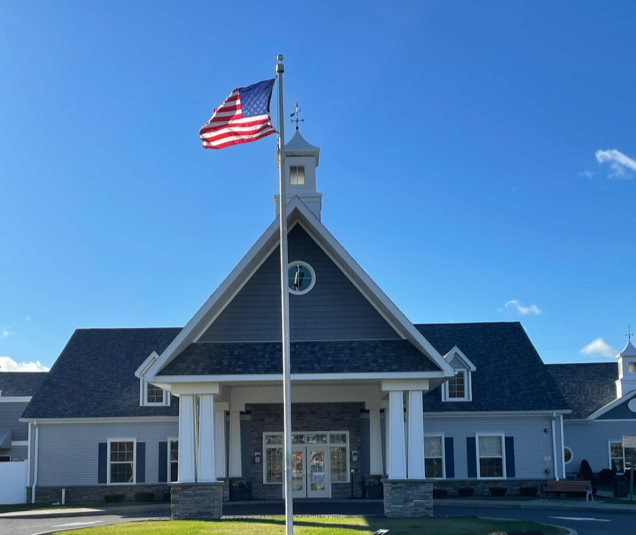
At Delmar Place, memory care is guided by The Peregrine Way®, a holistic philosophy that recognizes each resident as a unique individual with a rich life story, personal preferences, and ongoing potential. Support is thoughtfully tailored to address cognitive, emotional, physical, and social needs, allowing residents living with mixed dementia to feel understood, respected, and engaged. Families are treated as partners in care, with open communication and compassionate guidance every step of the way.
If you’re navigating a mixed dementia diagnosis and exploring memory care options, we invite you to learn more about how this approach supports dignity, connection, and quality of life. Contact Delmar Place today or book a tour to experience The Peregrine Way® in action.









At the heart of Peregrine Senior Living is a philosophy that changes everything: The Peregrine Way.
It’s an approach that goes beyond care to celebrate the whole person: mind, body, and spirit.
Through lifelong learning, creative engagement, and compassionate support, we empower residents to continue discovering, growing, and finding purpose every day.
Because true care isn’t just about living well, it’s about living fully.
peregrinecolonie.com/ ... See MoreSee Less
0 CommentsComment on Facebook
Thank you, Peregrine Senior Living of Clifton Park. We LOVED joining you to honor our vets. Great afternoon! ... See MoreSee Less
0 CommentsComment on Facebook
Open HouseMar 28, 10:00am5 South Family Drive, Colonie, NY, United States, New York 12205Come tour our Enhanced Memory Care Community!
... See MoreSee Less
0 CommentsComment on Facebook
Spring is here! It’s a season of renewal, color, and hope.
Our residents are embracing the warmer days ahead with outdoor walks, seasonal crafts, and time spent in nature’s beauty.
As the world blooms around us, we’re reminded that every new season brings new opportunities to grow, connect, and find joy in simple moments. 🌷
peregrinecolonie.com/ ... See MoreSee Less
0 CommentsComment on Facebook
Good nutrition is the foundation of good living. 🥘
During National Nutrition Month, we’re celebrating the power of healthy eating to fuel energy, happiness, and well-being. 🍃
Our culinary team focuses on fresh ingredients, balanced menus, and mindful dining experiences that bring people together.
Because when we nourish our bodies, we also nourish our spirits.
peregrinecolonie.com/ ... See MoreSee Less
0 CommentsComment on Facebook
Every day is an opportunity to connect, celebrate, and find joy together.
Our team plans experiences that reflect residents’ interests and passions, from creative art workshops to themed socials and community outings.
These moments of laughter, learning, and togetherness remind us that life is meant to be lived fully and shared freely.
peregrinecolonie.com/ ... See MoreSee Less
0 CommentsComment on Facebook
We had a fantastic time at the Meet Me at the Institute program at the Albany Institute of History & Art, exploring the beautiful winter paintings of Hudson Valley artist Walter Launt Palmer—known as the “Painter of the American Winter.”
A huge thank you to our phenomenal docent, Natalie Oliver, who helped bring each painting to life. Her knowledge of the artist and his techniques helped our residents truly connect with the art and share their own winter memories. www.albanyinstitute.org/events/this-week/meet-me-at-the-institute-2 www.albanyinstitute.org/ ... See MoreSee Less
1 CommentsComment on Facebook