

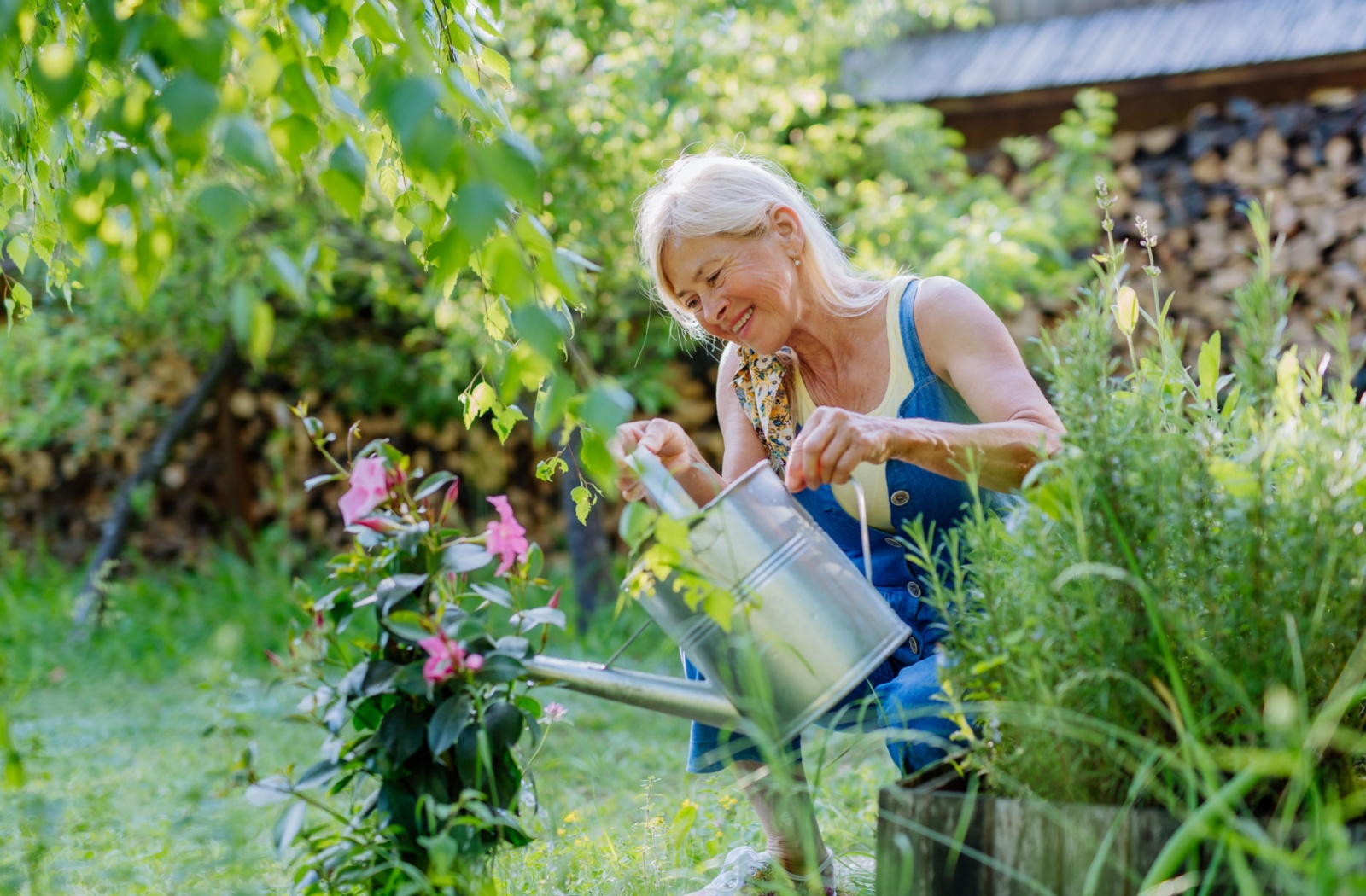
For many, gardening is a simple pleasure—digging in the soil or watching a flower bloom. But for older adults living with dementia, this everyday activity can offer powerful therapeutic benefits.
Gardening provides far more than a way to pass the time—it can stimulate the senses, reduce anxiety, foster a sense of accomplishment, and promote gentle movement, all within a calm and meaningful environment.
Whether tending to a raised bed, potting plants on a patio, or simply touching soil with their hands, seniors in memory care communities often find comfort and connection through time spent in the garden.
What Is Dementia?
Dementia is not a single disease—it’s a general term used to describe a decline in cognitive function that is severe enough to interfere with daily life. It affects memory, thinking, language, problem-solving, and sometimes even personality or behavior. Dementia is caused by damage to brain cells, which affects their ability to communicate with each other and impacts how the brain functions.
The most common form of dementia is Alzheimer’s disease, accounting for roughly 60–80% of cases. Alzheimer’s typically progresses gradually, beginning with mild memory loss and confusion, and eventually impacting a person’s ability to carry out even routine tasks.
Other types of dementia include vascular dementia (often related to strokes), Lewy body dementia, and frontotemporal dementia. Each type has its own symptoms and progression patterns, but all can deeply affect both the individual and their loved ones.
While there is no cure for dementia, supportive care, meaningful activities, and familiar routines can make a difference in quality of life.
Why Gardening Matters for Memory Care
Dementia often affects short-term memory, language, and focus, but many sensory memories remain intact. Gardening naturally engages multiple senses.
These sensory experiences help stimulate the brain in a positive way, evoking memories and emotions that might otherwise feel out of reach. Even individuals in more advanced stages of dementia can respond to familiar textures or fragrances.
A Soothing Routine
People living with dementia often benefit from structured routines. Gardening offers a gentle and purposeful activity that can be part of a regular schedule—watering in the morning, checking plants after lunch, and harvesting in the afternoon. This structure provides predictability and reduces anxiety, while giving individuals a role they can look forward to.
Routine tasks such as planting seeds or trimming leaves can also help seniors feel grounded in the present moment, reducing agitation and increasing emotional comfort.
Emotional & Psychological Benefits
A Sense of Purpose
One of the greatest challenges faced by individuals with dementia is a loss of independence and control. Gardening helps restore a sense of agency.
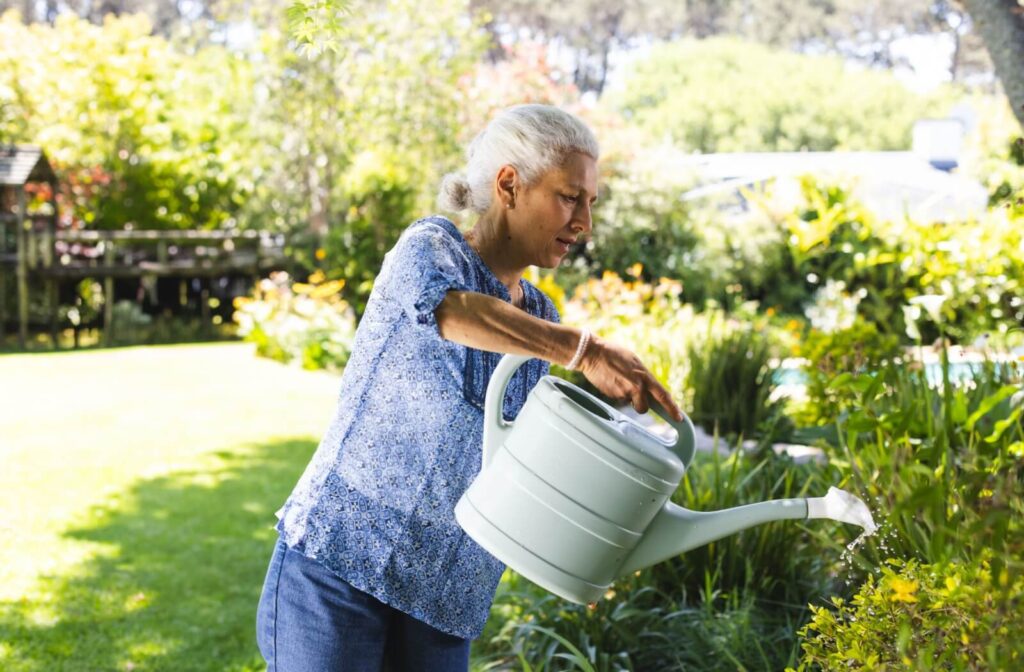
Even simple gardening activities, like filling a watering can or arranging flower pots, can instill a sense of pride and responsibility. For many, it’s about more than just growing plants—it’s about nurturing something again.
Reducing Anxiety & Agitation
Spending time in nature has been shown to reduce stress and anxiety in people of all ages. For seniors with dementia, gardening can serve as a natural mood stabilizer. The calming rhythms of digging, planting, and watering help release tension, lower cortisol levels, and promote relaxation.
In dementia care settings, even short visits to a garden or greenhouse space can noticeably reduce episodes of agitation or confusion, especially when integrated into a person’s regular routine.
Boosting Self-Esteem
Dementia can erode confidence, especially when everyday tasks become difficult. Gardening offers achievable goals and visible results—watching a flower bloom, a tomato ripen, or a bee land on a plant you’ve tended can all reinforce feelings of success and pride.
This quiet confidence-building can ripple out into other parts of a senior’s day, helping them feel more positive and engaged.
Physical Health Advantages
Gentle Movement & Mobility
Gardening naturally encourages movement, from reaching and stretching to lifting light tools or walking along a garden path. These low-impact motions help maintain strength, flexibility, and coordination without the need for formal exercise.
Raised garden beds, ergonomic tools, and seated gardening stations can all be adapted to suit different mobility levels, ensuring that everyone has access to the activity regardless of physical limitations.
Encouraging Outdoor Time
Time spent outside is important for both mental and physical well-being. Exposure to sunlight helps regulate circadian rhythms and improves sleep quality. It also supports the body’s natural production of vitamin D, which is essential for bone health and immune function.
Even a brief period of outdoor gardening each day can make a meaningful difference in energy levels, mood, and overall health.
Supporting Cognitive Function
Memory Stimulation
Gardening can be a powerful tool for reminiscence therapy. Familiar flowers, plants, and scents often evoke memories of past gardens, childhood homes, or family traditions. These associations can open the door to conversation, storytelling, and connection, especially when guided by a caregiver or loved one.
In a memory care setting, incorporating heirloom seeds or culturally familiar plants can deepen this experience, helping residents reconnect with their own histories in gentle, organic ways.
Encouraging Focus & Engagement
Dementia often brings attention difficulties, but gardening helps draw focus in a natural and low-pressure way. Planting a seed, watching it grow, and caring for it over time gives a person something to concentrate on, without being overwhelmed by instructions or expectations.
This kind of mindful engagement can reduce restlessness, improve attention span, and contribute to a greater sense of satisfaction throughout the day.
Social Benefits of Gardening
Gardening doesn’t have to be a solo activity. It can be shared between residents, family members, caregivers, or volunteers. Whether it’s planting together, exchanging tips, or simply admiring the results, the garden becomes a space for connection and shared enjoyment.
For people with dementia, who may struggle to express themselves in other settings, these shared activities offer a valuable form of non-verbal communication and emotional bonding.
In a senior living community, a communal garden space can become a gathering place where residents celebrate seasonal changes and enjoy nature together. These communal experiences help reduce feelings of isolation and create a deeper sense of belonging.
Peregrine Senior Living: Rooted in Purpose & Possibility
At Peregrine Senior Living at Colonie, we recognize the deep benefits gardening brings to our residents with dementia. Our approach includes nurturing spaces where older adults can explore nature safely and meaningfully.
Because even in memory loss, the ability to grow, feel, and connect never disappears.
Schedule a visit to experience how gardening, connection, and compassionate care come together at Peregrine Senior Living at Colonie.










No more posts